















Cape Verde should stop evaluating its fisheries partnership with the European Union solely based on the amount it receives each year
Cape Verde should stop evaluating its fisheries partnership with the European Union solely based on the amount it receives each year. The real question is how much of the value generated by the fish caught in our waters stays in our country. Who receives the wages? Where is the fish processed? Who sells it to the end consumer? These are the questions our government must place at the center of the upcoming negotiations.
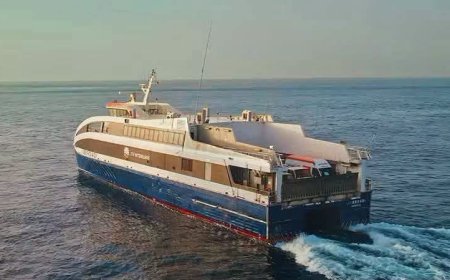
The current protocol is in effect from July 23, 2024, to July 22, 2029. It allows up to 56 European vessels to fish for tuna and related species in Cape Verdean waters. The European Union’s base contribution is 780,000 euros per year, or 3.9 million euros over five years. Of this annual amount, 350,000 euros cover access to our waters, and 430,000 euros are earmarked to support the fisheries sector in Cape Verde. Vessel owners pay additional fees.
Let’s now look at how much the fish was worth. Between 2019 and 2021, European vessels caught an average of 6,572 metric tons per year in Cape Verdean waters. According to an assessment by the European Commission, the approximately 972,000 euros per year that Cape Verde received for access to its waters—including fees paid by shipowners—represented roughly 11% of the value of the catches. This puts the estimated gross value of the catch at around 9 million euros per year.
Applying the same historical value per metric ton to the 7,000 metric tons per year specified in the current protocol, we arrive at an estimate of 9.4 million euros per year, or 47 million euros over five years. This is an estimate of the gross value of the fish, before deducting costs. The actual value will depend on the volume caught, the species landed, and the prices paid by buyers. Even so, these figures demonstrate the scale of the commercial opportunity that Cape Verde must defend at the negotiating table.
I propose that future access by European fleets to our waters be conditional on clear commitments regarding investment, hiring, and fish processing in Cape Verde. European Union member states would provide the vessels, and Cape Verdeans would make up the majority of the crews. European partners would invest, together with Cape Verdean companies, in processing, packaging, and cold storage facilities on all inhabited islands. The fish would be landed and processed in Cape Verde and sold to European buyers at market prices.
These commitments must be included in the agreement itself, with hiring targets, deadlines for investments, and public disclosure of the volumes landed and processed in the country. Cape Verdean companies must have a stake in these operations so that employment benefits the communities and a larger share of the profits remains in the archipelago. A fisherman’s wages, a factory worker’s salary, and the revenue of a Cape Verdean company are benefits that directly reach our families.
Europe has the vessels, the capital to invest, and the buyers. Cape Verde has the waters and the people capable of developing this industry. When the time comes to renew the agreement in 2029, Cape Verde must demand that access to our waters help build an industry where Cape Verdeans can work, own shares, and share in the profits.
Antonio Varela